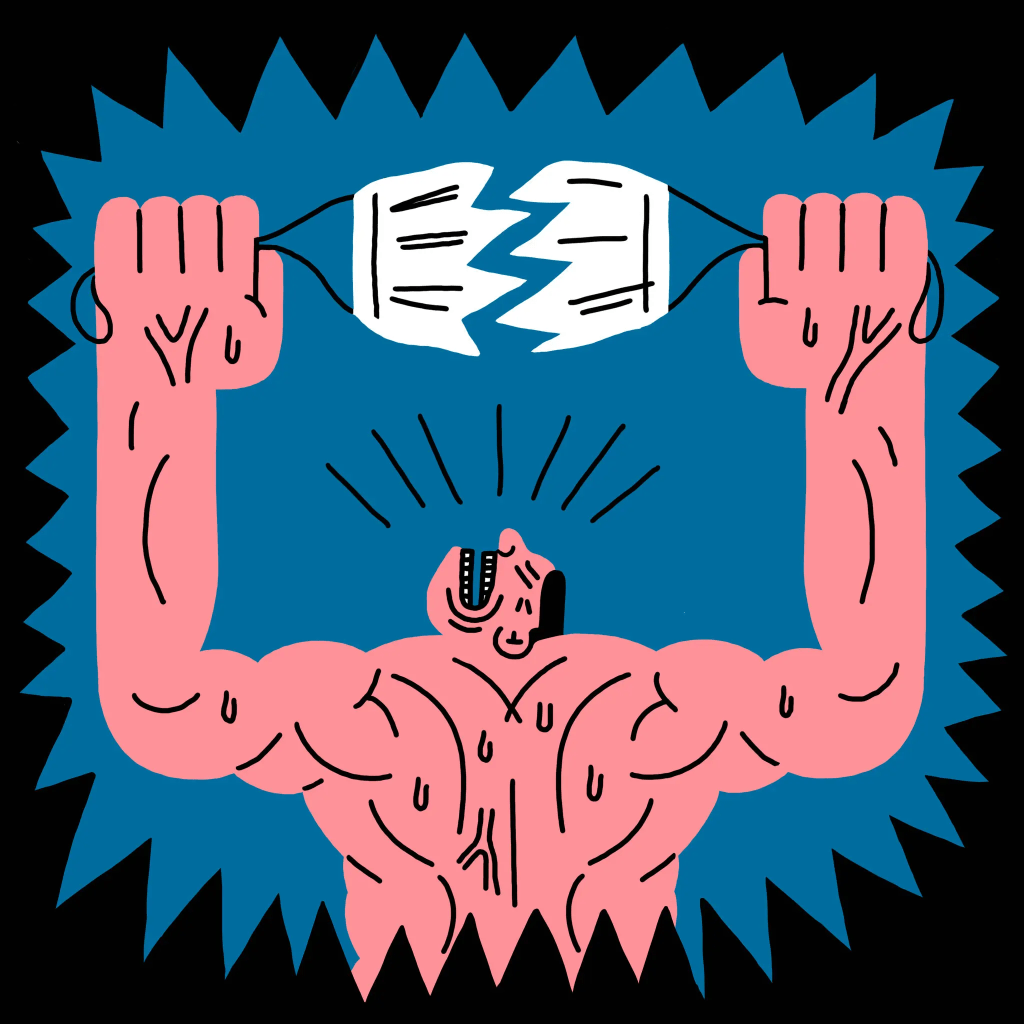
We live in a world where we are constantly bombarded with messages about what it means to be a man. You know what I am talking about: the images of muscular, handsome, successful, and powerful men that we see in movies, magazines, ads, and now social media. I cannot check an email without being reminded how insufficient I am compared to the others of my tribe. These images tell us that we must be strong, dominant, and competitive, and that we cannot show any weakness or vulnerability.
These messages are not only unrealistic, but also harmful. They can make us feel inadequate, insecure, and unhappy while while messaged as self improvement . They can also prevent us from seeking help when we need it. I have found myself “reaching out” in my preferred social media platform only to be a passive observer of some extremely bad advice, cynicism, and obvious political influencing. Expressing our emotions and forming healthy relationships should be our #1 priority in our self-journey or recovery. In this article, I am going to explain how these stereotypes affect our health and well-being, and how we can overcome them by embracing a new masculinity that is more positive and inclusive.
The Struggle to Seek Help
One of the biggest problems with the traditional view of masculinity that keeps changing with every influencer, is that it makes us reluctant to seek help for our health issues. We think that asking for help is a sign of weakness or incompetence, and that we must deal with everything on our own. This can lead to profound consequences for our physical health.
For example, men are less likely to visit a doctor than women. According to a study by the U.S. Centers for Disease Control and Prevention (CDC), men are 24% less likely than women to have visited a doctor within the past year. This means that they are more likely to miss preventive care, screenings, and treatments that could save their lives.
Men are also more likely to die from preventable diseases than women. According to the World Health Organization (WHO), men have higher mortality rates than women for all 15 leading causes of death worldwide, including heart disease, cancer, diabetes, and suicide. In fact, the average life expectancy for men is five years shorter than for women.
So why do we avoid going to the doctor? Well, there are many reasons, but some of the most common ones are:
– Fear of being judged or ridiculed by others
– Lack of awareness or knowledge about health issues
– Lack of trust or confidence in the health care system
– Lack of time or money
– Lack of male-friendly health services
These barriers can be hard to overcome, but they are not insurmountable. We need to realize that seeking help is not a sign of weakness, but a sign of strength and responsibility. We need to take care of ourselves, not only for our own sake, but also for the sake of our loved ones who depend on us.
Body Image and Mental Health Issues
Another problem with the traditional view of masculinity is that it creates unrealistic and unhealthy expectations about our appearance. We are constantly exposed to images of men who have perfect bodies: muscular, lean, tall, and handsome. These images make us feel like we must look like them to be attractive, successful, and respected.
But guess what? These images are not only unrealistic, but also harmful. They can make us feel dissatisfied with our bodies,
low self-esteem, depression, anxiety, and even eating disorders. Men may face social pressure, discrimination, or bullying due to their appearance, causing further emotional distress.
Unhealthy Approaches to Achieving the Ideal
To match societal ideals, men may resort to unhealthy behaviors like excessive exercise, steroid use, and risky surgeries, leading to serious physical and psychological consequences.
These behaviors can damage our organs, muscles, bones, skin, and hair, as well as increase our risk of infections, cancers, and heart problems.
They can also affect our mental health, causing mood swings, aggression,
addiction, and suicidal thoughts.
Emotional Expression and Relationships
The perception of needing to be tough and independent can hinder men from expressing emotions or seeking emotional support, leading to isolation, loneliness, and difficulties in forming meaningful relationships.
We may feel that we must hide our feelings or cope with them alone, even when we are going through tough times or facing challenges.
We may also struggle to communicate our needs, wants, and preferences to others, leading to misunderstandings, conflicts, and resentment.
This can affect our relationships with our family, friends, partners, and co-workers, as well as our own happiness and well-being.
We may miss the benefits of emotional intimacy, such as trust, compassion,
and empathy.
Promoting a New Masculinity
So how can we overcome these challenges and improve our health and well-being?
The answer is simple: by promoting a new masculinity that is more positive and inclusive.
A new masculinity that values well-being over appearance, encourages seeking help without shame, and supports open emotional expression.
What does this new masculinity look like?
Well, it can look different for everyone, but here are some general principles that we can follow:
– Accept and appreciate our bodies as they are, and focus on health rather than appearance.
– Seek professional help when we need it, and do not be afraid to ask for support from our loved ones.
– Express our emotions in healthy and constructive ways, and listen to others with empathy and respect.
– Respect and celebrate diversity in ourselves and others, and challenge stereotypes and discrimination.
– Pursue our passions and interests, and explore our identities and potentials.
By following these principles, we can create a new masculinity that is more authentic, fulfilling, and empowering.
We can also inspire others to do the same, and create a more positive and inclusive culture for everyone.
So, what do you think?
Are you ready to join me in this journey of reimagining masculinity?
Let me know in the comments below,
and do not forget to subscribe to my blog for more updates.
Thanks for reading,
Scott Wolf @breakingmancodegmailcom
 Breaking Man Code